


09 Sep Bantry Marine Research Station | Bioplastic from seaweed

 Marine Biotechnology
 Aquaculture
Name of the Technology / Innovation: Bioplastic from seaweed
Sector: Marine biotechnology -Novel biomass from a marine source
Technology Readiness Levels (TRLs): TRL 7 – system prototype demonstration in operational environment
Country: Ireland
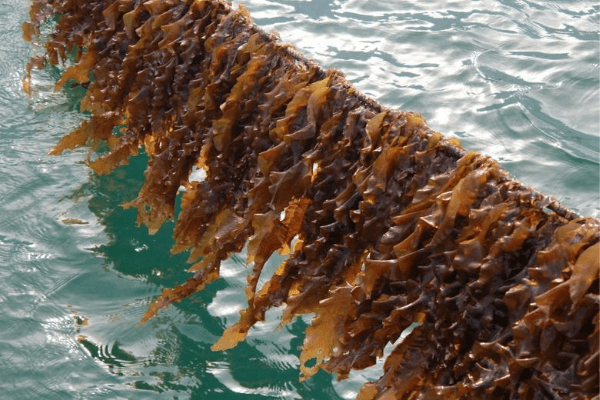
The technology offers a complete integrated solution to plastic SME stakeholders from the production of the feedstock in sustainable Integrated Multi Trophic Aquaculture systems, to the development of the biopolymers using innovative technologies of reduced environmental impact until the validation test of the seaweed-based polymers in greener plastic products.
Global society needs plastics. From packaging food, healthcare products to manufacturing cars, the plastic industry has an important role in guaranteeing quality of life. Europe currently produces 57 million tonnes of plastics (21.5% of global production), with the majority (39%) being used in the packaging sector. The production of plastics puts a strain on our already depleting fossil fuel resources.
It also impacts on the environment in terms of recyclability and biodegradability. There is a need for increased production of biomass-based, biodegradable plastics in order to achieve the EU2020 target of 10% of market plastics being bioplastics. PolyLactic Acid (PLA) will be one of the leading contributors to bioplastic growth. PLA is the most produced biodegradable-biopolymer in Europe. It is a sustainable alternative to petroplastics and can be compostable and biodegradable. Currently, the production of PLA and other bio-polymers is based on the use of important food sources for humans and animals (e.g. corn, wheat, sugar beets and sugar cane) and other natural resources. With the production of bioplastics expected to rise, the use of these resources will also increase and compete with food and energy production. This in turn will have effects on biomass prices and environmental degradation. Seaweed based PLA is a greener alternative to petrochemically-produced plastics.
Tuning seaweed to produce the necessary polysaccharides. Technical development for PLA and polysaccharide based plastics. Validation of raw material into bio-plastic products (sleeves and indoor paint).
As well as the benefits of seaweed in IMTA, it also has several advantages over using the raw materials currently used in biomass-based plastics, including:
- Contributes to reduction of CO2 emissions
- No competition with other industries for land use (food and bio-fuel production, power and heat generation, etc.)
- Higher productivities
- Reduction of nutrient input in marine coastal areas (released from fed aquaculture or agriculture runoff)
- No risks of reduction of biodiversity (if cultivated)
- No risk of potential deforestation
- No freshwater consumption
- No fertilisers or pesticides used (and no nutrient added when cultivated IMTA systems).


Major market drivers for biodegradable polymers include legislation, depleting landfill capacity, pressure from retailers, growing consumer interest in sustainable plastic solutions, a quest for fossil oil and gas independence and the reduction of greenhouse gas emissions.
Contact us on:
Address
Gearhies, Bantry, Co. Cork, Ireland
Ireland
Contact telephone
027 29180
Contact
Julie Maguire
jmaguire@bmrs.ie